
AI Search vs. Traditional Google Search: How Online Discovery Is Changing
By LinkinGrow. Published . AI-assisted editorial guide.
Traditional Google search gives you a ranked list of pages and lets you do the reading. AI search reads for you, composes an answer, and shows its sources underneath. That single change—in who does the synthesis—explains most of what is happening to online discovery.
This guide compares the two systems plainly: how each one works, where the results differ, what the click data shows, and what businesses should measure. It separates documented behavior from our analysis, and it does not claim traditional search is disappearing—Google still processes enormous query volume, and AI features sit inside it.
The short answer
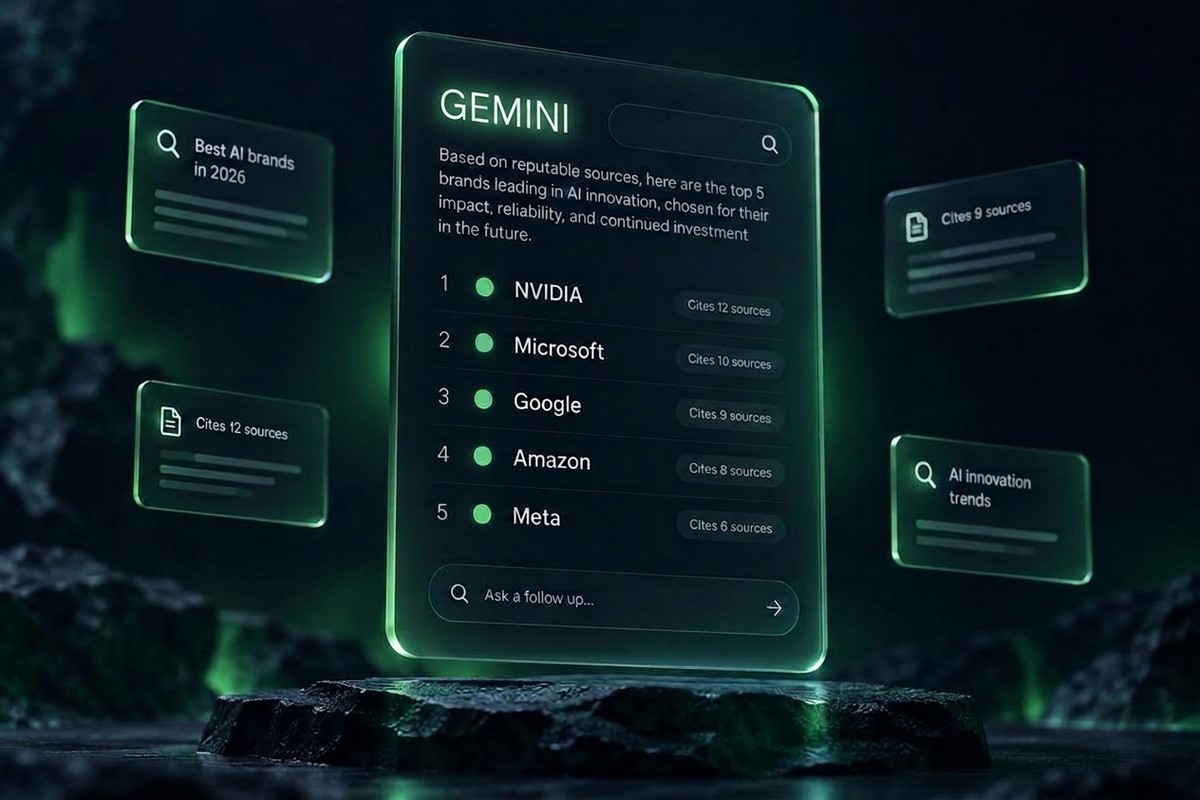
Traditional search is a referral system: it ranks pages and sends you to them. AI search is an answer system: it retrieves pages, extracts passages, and composes a response with citations. The practical consequences are that informational questions are increasingly settled on the results page, that being cited inside an answer becomes a new form of visibility, and that the click stops being the only proof a page was useful. Pew Research Center's 2025 study found Google users clicked a traditional result in about 8% of visits when an AI summary appeared, versus about 15% when none did.
How traditional Google search works
Google documents three stages: crawling (discovering pages), indexing (understanding and storing them), and serving (ranking results for a query). The output is a ranked list—links, snippets, and features such as maps or shopping units—and the user chooses what to open. Your job as a site owner is to be crawlable, indexable, relevant, and trusted enough to rank.
The economic model follows from the design: positions one to ten capture most clicks, so competition concentrates on rankings, and success is measured in impressions, positions, clicks, and conversions.
How AI search works
AI search adds a generation step. When you ask a question, the system interprets it, retrieves candidate sources (from a search index, live web fetches, or both), and a language model composes an answer that cites some of those sources. Google says its AI features use the same Search eligibility and quality systems as traditional results. ChatGPT search fetches live web results and shows sources; Perplexity describes itself as an answer engine that searches the web and cites its sources inline.
Two properties follow. First, the answer is assembled per question, so the same page can be cited for one phrasing and ignored for another. Second, the citation—not the ranking position—is the unit of visibility. A page can be the third source in a composed answer and still shape what the user believes.
The five differences that matter
1. The unit of competition: position vs. citation
In traditional search you compete for rank. In AI search you compete to be retrieved, selected, and cited inside an answer. A site can rank well and never be cited, or rank modestly and be cited often—our own answer-session observation sees both patterns regularly (analysis, not a universal rule).
2. The shape of the result: list vs. composition
A list delegates judgment to the user; a composition makes a judgment for them. That raises the stakes of accuracy: if an answer describes your business wrongly, the error arrives pre-digested, with no competing links beside it.
3. The query: keywords vs. conversations
People type “best crm small business” into a search box; they ask an assistant “I run a 12-person agency, we need a CRM that handles retainers—what should I look at?” Conversational queries carry more context, so answers are more specific, and generic category pages match them less often than pages that address concrete situations.
4. The click: default vs. optional
Traditional results exist to be clicked. AI answers are complete without a click, and the click—when it happens—comes later in the decision, from a user who is already informed. Expect fewer visits from informational queries and better-qualified visits from commercial ones.
5. The scoreboard: rankings vs. presence
Rank tracking tells you where a page sits. It does not tell you whether AI systems mention you, cite you, or describe you correctly. That requires a different measurement habit: asking the questions your buyers ask, recording what the engines answer, and checking accuracy.
What happens to clicks
The clearest public evidence is Pew's 2025 analysis of real browsing behavior: when Google showed an AI summary, users clicked a traditional result roughly half as often, clicked a link inside the summary in about 1% of visits, and ended their session more often. The effect is strongest for informational queries—the ones a paragraph can satisfy.
Two qualifications matter. Transactional, local, and navigational queries behave differently, because the user wants to do something, not read something. And AI systems create their own referral stream: ChatGPT, Perplexity, and Google's AI features all send identifiable traffic, though today it is far smaller than traditional search referrals for most sites.
How discovery is changing
Discovery is splitting into two moments. The first is the answer moment: a user asks, an engine composes, and a shortlist forms—often without any website visit. The second is the verification moment: the user checks the shortlisted names, by searching for them directly, visiting their sites, or asking follow-up questions.
For businesses, this means the first impression increasingly happens off-site, inside a composed answer you do not control. What travels into that answer is your clearest, most citable material: concrete facts, comparisons, original data, and independent coverage—not slogans. It also means branded search and direct traffic become lagging indicators of AI visibility: people who meet you in an answer often arrive later by name.
What has not changed
The foundations carry over. Google states there are no extra technical requirements to appear in its AI features beyond being indexed and eligible for a snippet, and that its helpful, people-first content guidance still applies. Crawlability, indexation, clear information architecture, fast pages, and genuine expertise remain the entry ticket for both systems. A site that is invisible to traditional search will not be saved by AI search.
Authority signals also carry over. Both systems prefer sources that other credible sources reference. What changes is the emphasis: answer engines lean harder on extractable, verifiable, specific content, because the model has to quote something.
A fictional worked example
Imagine a fictional company, “Harbor Payroll,” selling payroll software to small US restaurants. This example is invented to show the mechanics, not to report a real result.
Under traditional search, Harbor competes to rank for “restaurant payroll software,” wins position four, and gets a modest share of clicks. Under AI search, a buyer asks an assistant: “What's the best payroll software for a 20-seat restaurant with tipped staff?” The answer names three products and explains why. Harbor is not among them—because its site never addresses tipped-wage handling, tip pooling, or restaurant-specific tax filing, while two competitors publish detailed guides on exactly those topics.
Harbor's fix is not a new keyword list. It is publishing the missing substance: a clear page on tipped-wage payroll, a comparison of pricing models, state-by-state filing notes, and a calculator. Once that material exists and is cited by a restaurant trade publication, Harbor starts appearing in answers. Rankings for the old keyword barely move; presence in buyer conversations does.
What to measure now
- Keep the classic metrics: impressions, rankings, clicks, and conversions from traditional search still describe most of the traffic most sites get.
- Track AI referrals: segment chatgpt.com, perplexity.ai, copilot.microsoft.com, and similar referrers in analytics, knowing they understate total influence.
- Sample answers: each month, ask your ten most valuable buyer questions in ChatGPT, Gemini, Perplexity, and Google AI surfaces. Record whether you are mentioned, cited, and described accurately.
- Watch branded demand: rising branded search and direct traffic alongside flat informational clicks is consistent with AI-driven discovery.
- Ask new leads: a “How did you hear about us?” field with an AI-assistant option captures influence analytics miss.
Common questions
Is traditional Google search going away?
No. AI features are being added to Google Search, not replacing it wholesale, and traditional results still carry most commercial and navigational intent. The sensible posture is dual: maintain search fundamentals while building citation-worthy material for answer engines.
Should I optimize differently for AI search?
The technical baseline is the same. The difference is editorial: answer questions directly, state concrete facts, publish original evidence, keep business details consistent across the web, and earn references from sources engines already trust.
Which matters more for my business?
It depends on your buyers. If they research in conversational tools before shortlisting vendors, AI visibility is already material. If they search, compare, and buy in one session, traditional search still dominates. Measure both before reallocating budget.
Sources and disclosure
This article was prepared with AI assistance and human editorial review. The worked example is fictional and labeled as such. Figures are attributed to their sources; where we offer interpretation, it is marked as analysis. Primary sources:
- Google Search Central: AI features and your website
- Pew Research Center: Google users are less likely to click on links when an AI summary appears (July 2025)
- OpenAI Help: ChatGPT search
- Perplexity Help Center: Getting started
- Google Search Central: How Search works
- Google Search Central: Creating helpful, reliable, people-first content
Want to know what AI answers say about your business?
We map the questions your buyers ask, record what the engines answer, and build the evidence that gets you cited.
Book an enquiry callOr email us directly.